Build Your Dam Upstream: Recovery Tips for Sexual Addiction and Compulsive Behavior
Guest post by Marsha Means, MA (reshared and lightly edited from the original post with the author’s permission). A survivor’s story of healing from childhood sexual abuse and regaining healthy sobriety.
Table of Contents
- How the Columbia River taught me to build boundaries upstream before the current gets dangerous.
- Growing Up on the Columbia River — My Personal Geography
- What “Building Your Dam Upstream” Means in Recovery
- Most People Wait Too Long to Set Boundaries
- The Boundaries That Keep Me Sober — What Upstream Recovery Looks Like in Practice
- Self Awareness Growth: Deciding Where You Need to Build Your Dam
- With So Much to Lose, Upstream Boundaries Are Worth It
- Meet Marsha Means

How the Columbia River taught me to build boundaries upstream before the current gets dangerous.
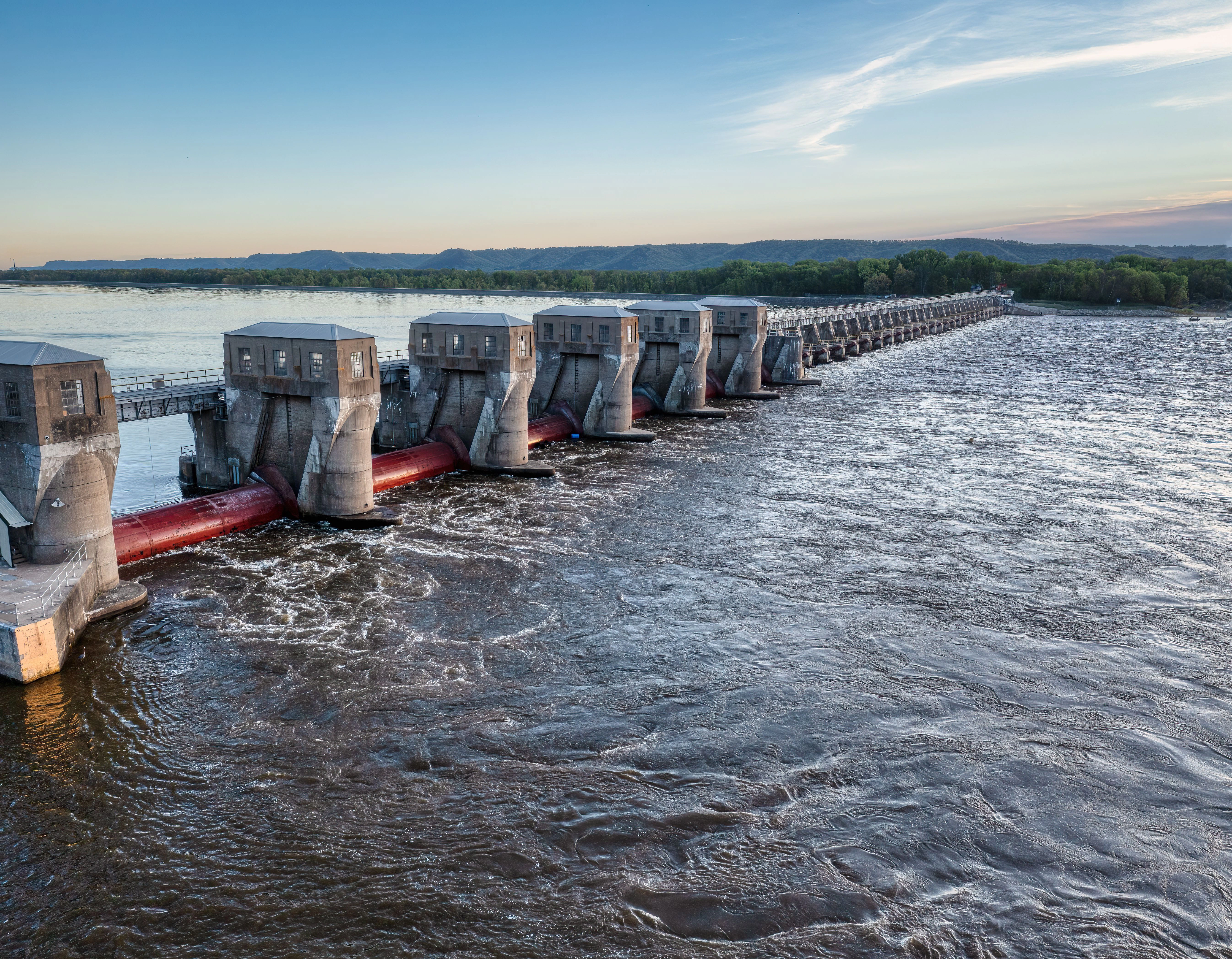
I grew up in Washington, where the Columbia River snakes its way through the state before pouring into the Pacific Ocean between Washington and Oregon. I’ve lived in several places along that river, and my grandfather and other family members helped build its several dams.
However, the river begins in British Columbia, Canada, as a small stream, growing wider as it crosses into Washington state.
In 1934, some 216 miles south of the Canadian border, President Franklin Roosevelt decided to build the river’s first dam to help pull the country out of the Great Depression and to turn arid eastern Washington into lush farmland. Since then, many dams have been built. By the time the Columbia River empties into the sea, it’s a mile wide with a current so dangerous ship pilots need special training to navigate its treacherous current.
When I finally dealt with childhood sexual abuse and the way it fostered promiscuity and sexual acting out, I thought about the river of my youth. And when I compared the Columbia River to the way I had let abuse shape me, I knew I had to build my dams way, way upstream.
Metaphorically, I couldn’t wait until my tendencies became a river. I needed to erect my dam where that energy was still a tiny stream.
So, in my mind’s eye, I built the dam meant to control my acting-out behavior in British Columbia, long before it became a river.
That meant boundaries with myself and the opposite sex that are extra rigorous, because I knew that’s what it would take to never again flood my life with destructive sexual behavior.
Along with accountability, if I meet a single man I’m attracted to, these boundaries have kept me safely sober since erecting them. Now, I challenge the men I work with to consider building their boundaries long before they’re at risk of old sexual compulsivity kicking in.
This means tightening your inner circle behavior to reduce that risk. With so much to lose, I can tell you it’s more than worth it.
Not only does it keep you safely sober, it creates space for the woman you love to feel safe enough to let go of control and to focus on her own healing.
Growing Up on the Columbia River — My Personal Geography
From the ages of nine through my early 20’s, I lived on or near the Columbia River in Washington state. Between 9 and 12, I frequently spent Sunday afternoons at my boyfriend’s house, a boy I would eventually marry. In the winter, we sledded down the steep hill behind his house with a beautiful view of the river in the distance. In the summer, we swam in a pond filled with water from the river.
When a family move took us to a different city where our house was only two blocks above the river, it became part of the wallpaper of my life. I often walked across the bridge with my friends on Saturdays, and crossed it in the family car. Eventually, I drove my own car across the river.
At 15, another move took us a few miles above the river; however, its waters irrigated the rich farmland surrounding the small town where I finished high school, a constant reminder of the importance of the river. Nearby, a large park was built at the bottom of a high cliff above the river. It became the town swimming hole where I swam and built bonfires with friends and family.
How the Columbia River Became a Symbol for Sexual Acting Out
Because childhood sexual abuse was also a part of my early childhood, as were hard hats and lunch pails that went to work with family members who helped build more and more dams on the river, those two strands of my story were forever paired.
Sadly, my response to the abuse was similar to that of the men I now work with.
I repeated the abuse with sexual acting out, even though it fostered enormous shame.
What “Building Your Dam Upstream” Means in Recovery
It wasn’t until many years later that I realized the early childhood sexualization was labeled abuse. Prior to encountering the world of recovery, I was only aware of the intense shame I carried, and I blamed only myself.
I was unaware that the origins of my acting out were sourced in abuse. For the first time, I heard phrases like “sex addiction,” “sexual sobriety,” “boundaries,” and “addiction recovery.”
Though my sexual acting out stopped with marriage, the desire for male affirmation had not. I learned that the need for affirmation is typical in sex addiction, and it holds enough power to trigger old behavior.
In the world of recovery, I began to find and assemble the puzzle pieces of my story, and recognize my need for healing the underlying wound from early childhood.
Most People Wait Too Long to Set Boundaries
I also learned that avoiding future relapse requires strong boundaries. At mid-life when my partner’s sexual addiction blew our world apart, I learned that recovery isn’t enough. Lifelong sobriety requires maintaining rigorous boundaries and never relaxing a recovery lifestyle.
In the years since, living life as a single woman, I realized that even tighter boundaries are essential. Though I’m now an older woman, I remain human, and as long as we are human, no matter what our struggle, we are at risk.
If we want guaranteed lifelong sobriety from addictive behavior of any kind, our dams—our boundaries—must be erected way, way upstream.
The Boundaries That Keep Me Sober — What Upstream Recovery Looks Like in Practice
Creating and adopting strong enough boundaries requires honesty with ourselves about our frailties, and if we’re in a relationship, serious consideration of our partner’s need for safety. Her needs must be taken into account if she’s going to heal, and you hope to heal your relationship. Asking for and respecting your sponsor’s guidance about your boundaries is also extremely important.
Boundaries are personal.
My boundaries don’t necessarily need to mirror yours, nor do yours need to mirror mine. But they must take into account your addiction history in the following ways:
- be personal so they meet your lifestyle risks
- be shaped to meet your partner’s needs for safety
- be based on self-awareness and rigorous honesty with yourself
My boundaries and long-term sobriety require hyper self-awareness.
Fostering hyper self-awareness and honesty:
Working with men in recovery has shown me that as a group, they are almost universally out of touch with their emotions and needs.
They are unaware of how extremely dangerous that lack of awareness is—especially for someone who has struggled with addiction of any kind.
Why? Because unmet emotional needs always seek comfort, and we automatically turn to whatever has brought comfort in the past, whether that’s chocolate or work or sex.
To stay ahead of addictive ways of self-soothing and comfort, we must be in touch with our emotions and needs during every single waking moment. That’s the only way we can meet those needs in healthy ways as we quickly become aware of them.
When I work with men, I ask them to use a feelings app at least three to five times a day, and if she’s receptive, to share each feelings check-in with their wives. Over time, we can become self-aware enough to manage our needs in healthy ways, preventing slips and relapse.
Meeting my needs in healthy ways, sooner rather than later, which is good self-care:
This becomes easy and automatic if we use hyper self-awareness all day long. I tell my male clients that to do this I never schedule clients back-to-back, except in extremely rare occasions when client needs and my personal schedule can’t be met unless I “cheat.” But that’s extremely rare.
I’ve learned that building at least 15-minute joy-breaks between sessions is not only good recovery and good self-care, I have more to give my next client if I allow myself even a 15-minute break to get “a shot of joy” in some way.
Adopting a gender-neutral approach to the human race:
This boundary and the next one on my list are very personal, but for me, they are also extremely helpful. Because as early in life as I can remember, I’ve sought the company of males, I now choose to see other human beings in a gender-neutral way—in as much as that’s possible. To this day, I can remember the name of the boy I had a crush on when I was only four-years old. To me, that’s downright scary!
By de-sexualizing the people I meet, they simply become my fellowmen.
Recovering sex addicts will understand the importance of a “de-sexualized” approach, especially in public. Doing so eliminates objectifying people, a key pattern in sex addiction.
Avoiding “singles” circles, whether that’s in my community or at my church:
Some may think this is going too far, but my own self-awareness says that for me, this is wise. Because lifelong sobriety is absolutely essential, approaching my life this way reduces risk. For me, it’s easy because I’m no longer seeking someone with whom to share my life. For younger people, it may not be wise.
But I know myself, so I seek female friendships, and I try to hire younger handymen when I need one.
Using accountability:
This one is standard operating procedure in the recovery world. It’s also something we never completely outgrow.
Several years ago, I was shocked at my response when a chance encounter with an especially charming, flirtatious Brit about my age triggered a “yes” response when he asked me if he could buy me a cup of coffee. Such a response hadn’t happened in years; however, it reinforced my awareness of why I need rigorous boundaries.
By the time I got home, I knew I had been in the company of a “dangerous” man. So, I immediately emailed a woman friend I knew would provide accountability, and did she ever! Within a week, the Brit had lost his charm and was out of my life, but I’m grateful for the reminder that just because the years pass, I will never cease to be human.
Self Awareness Growth: Deciding Where You Need to Build Your Dam
So where have you built your boundaries? Are they strong enough? Do they meet your partner’s need for safety so she can relax in your relationship and finally heal?
What, if anything, do you need to remove from your inner circle behavior?
What, if anything, do you need to move from your inner circle safe behaviors to your yellow circle “slippery slope” behaviors?
Recently, a client shared that in choosing something to watch on TV, he had given in to an old habit and clicked on and looked at things that cost him his sobriety. Many men in recovery simply eliminate TV from their lives because for them, that slope is too slippery. When work requires they travel, many also call hotels ahead and have the TV removed from their room before they arrive. It’s that level of commitment to building your dams way upstream that helps you maintain sobriety by eliminating risk, where possible.
I challenge you to be rigorously honest with yourself by becoming hyper self-aware of your emotions and needs. Doing so will not only inform you about where you need to erect your dam in your recovery river, but it will also make staying sober so much easier.
With So Much to Lose, Upstream Boundaries Are Worth It
New men often tell me (because they have been told) that relapses will happen. Some sexual addiction recovery circles actually reinforce that mentality, which shocks me. Nothing could be further from the truth!
Lifelong sobriety isn’t easy, especially in the beginning of recovery, because your brain has well-established neural pathways that reinforce addictive thinking and behavior. But with rigorous boundaries, good accountability, group support, and a circle of a few close men with whom you are completely honest, those old neuropathways cease to exist. And better still, new, healthy neuropathways are formed.
Recovery and lifelong sobriety require building your dams way upstream. Where will you build yours?
With so much to lose, and so much to gain, I challenge and encourage you to build your dams way upstream on the river of your addiction. The freedom you’ll find is more than worth it.

What does upstream recovery mean?
It means being hyperaware that we are never above relapse if we don’t live with honesty about our human condition. Unlike many others, I do not believe relapse is a given. However, the only way to guarantee that relapse will never happen is to build our dams further upstream than we think is necessary.
How can upstream boundaries help my partner trust me?
If your partner sees you building your dams way, way upstream, she will recognize that you are going to the extreme to make sure you never relapse. In recognizing how committed you are to sobriety, she’ll realize that you want lifelong sobriety as much as she wants it for you. That provides reassurance, which in turn allows her to relax and lean into the relationship because she feels safer.
How do I set boundaries for sexual sobriety?
I recommend building your dams further upstream than you might think is necessary. And never, ever tempt your humanity by taking risks. Recognize that no matter how long you have been sober, and how many others you might sponsor, you remain human until the day you die.
I’ve seen lives, marriages, and families shattered because sober addicts flirted with their humanity. I guarantee you, it’s not worth it.
Meet Marsha Means
Marsha Means, MA personally understands the crushing pain of losing a marriage due to sexual addiction.
After many years of helping women heal from betrayal trauma, she noticed an alarming pattern.
Even after the betrayer achieved sobriety, some marriages were still falling apart.
She analyzed her internal survey data and pinpointed a vital problem. The betrayer never learned how to show empathy for the betrayed.
Today, in her golden years, Marsha surprisingly works largely with men in small groups, helping them learn empathy and repair their relationships after achieving sobriety. She says,
“I’ve seen grown men weep as they struggle to learn the language of emotional intimacy. They fear losing their life-partner and family if they don’t achieve the ability to securely attach to them.”
If repairing your relationship is a top priority, Marsha provides three key tools.
- Small group coaching to learn how to develop empathy
- A step-by-step workbook for men or couples (after the partner has achieved sobriety) — Learn Empathy: Help Your Betrayed Wife Heal
- An in-depth online course on how to learn empathy
Marsha also supports Ever Accountable as one recommended tool of recovery. Each purchase of Ever Accountable with her affiliate link helps support her ongoing ministry work as Founder and Director of A Circle of Joy Ministries.